
-
Products
-
About UsOur company mainly produces pliers, saw blades, files, wrenches, car maintenance tools, varieties more than 2,000 specifications.

-
BlogAODVN through America AVSI,Germany DIN standard and GB standard Chinese.AODVN enterprise standards, strict quality management and process, the professional quality be consistent from beginning to end.
The Best Cutting Tools for Metalworking: An In-Depth Analysis
Jun 12,2026
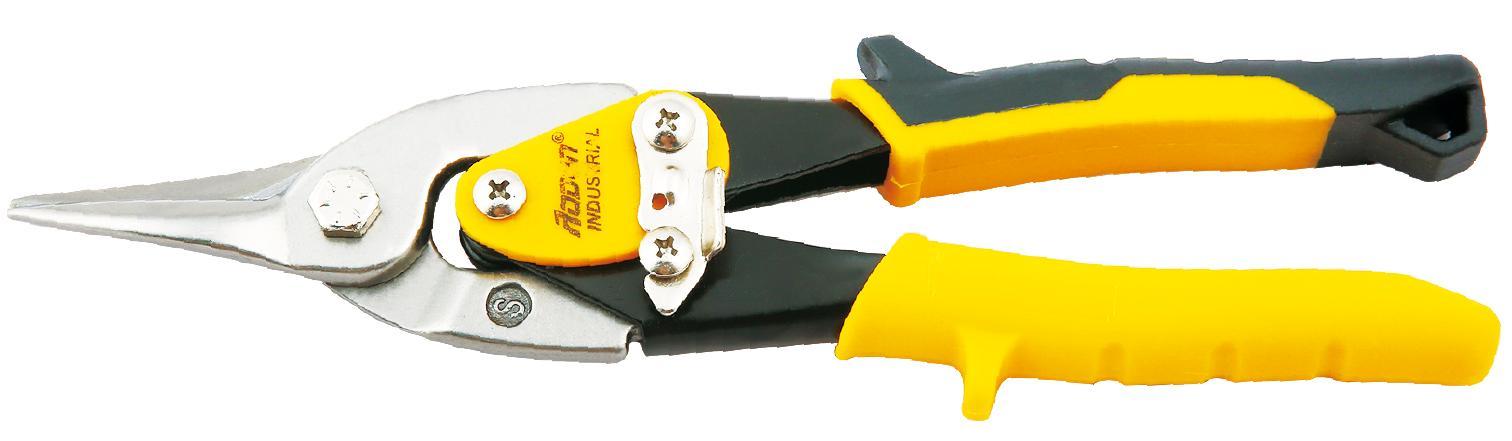
The Best Cutting Tools for Metalworking: An In-Depth Analysis
Table of Contents
- 1. Understanding Metalworking and Its Importance
- 2. Types of Cutting Tools for Metalworking
- 2.1. High-Speed Steel (HSS) Cutting Tools
- 2.2. Carbide Cutting Tools
- 2.3. Cobalt Cutting Tools
- 2.4. Ceramic Cutting Tools
- 3. Key Features to Consider When Choosing Cutting Tools
- 4. Top Brands of Cutting Tools for Metalworking
- 5. How to Maintain Your Cutting Tools
- 6. Tips for Effective Metal Cutting
- 7. Frequently Asked Questions
- 8. Conclusion
1. Understanding Metalworking and Its Importance
Metalworking is a crucial industry that involves the manipulation of metals to create various products. From automotive components to intricate machinery parts, effective metalworking is essential in modern manufacturing. Understanding the significance of cutting tools in this field is fundamental to achieving precision and efficiency in production processes. The right tools can significantly enhance productivity, reduce waste, and improve the overall quality of finished products.
2. Types of Cutting Tools for Metalworking
Choosing the correct type of cutting tool is vital for successful metalworking. Various materials and designs cater to specific applications and metal types. Below, we delve into the primary categories of cutting tools:
2.1. High-Speed Steel (HSS) Cutting Tools
HSS cutting tools are renowned for their ability to withstand high temperatures without losing their hardness. This makes them suitable for various metal cutting applications. HSS tools are also versatile, available in various shapes and sizes, making them ideal for everything from drill bits to mills.
2.2. Carbide Cutting Tools
Carbide cutting tools offer superior hardness and wear resistance compared to HSS tools. They are perfect for high-speed machining and can maintain sharpness over extended periods. Although more expensive, carbide tools deliver exceptional performance, especially in CNC machining and heavy-duty applications.
2.3. Cobalt Cutting Tools
Cobalt cutting tools feature a higher cobalt content than HSS tools, enhancing their durability and heat resistance. These tools are particularly effective when cutting tough materials and are often used in drilling and milling operations.
2.4. Ceramic Cutting Tools
Ceramic cutting tools are ideal for high-speed machining of hard materials. They maintain sharp edges for a longer time and are highly resistant to thermal shock. However, they are fragile and require a careful approach during use.
3. Key Features to Consider When Choosing Cutting Tools
When selecting cutting tools for metalworking, several features should be prioritized:
- Material Composition: The type of material used in the cutting tool directly affects its performance and longevity.
- Tool Geometry: The shape and design of the tool impact its cutting efficiency and suitability for specific tasks.
- Coating: Certain coatings can enhance tool life and performance by offering additional protection against wear and heat.
- Compatibility: Ensure that the cutting tool aligns with the specific metalworking machinery and processes being used.
4. Top Brands of Cutting Tools for Metalworking
Several brands have excelled in producing high-quality cutting tools that cater to the diverse needs of metalworking professionals. Here are some of the most reputable brands:
- DeWalt: Known for their robust construction and reliability, DeWalt offers a variety of cutting tools suitable for different applications.
- Makita: With a solid reputation for innovation, Makita provides cutting tools that combine performance with user-friendly designs.
- Titan: Titan specializes in precision cutting tools, making them a preferred choice for professionals working with intricate designs.
- Milwaukee: Milwaukee is synonymous with durability and efficiency, offering tools that withstand the rigors of industrial environments.
5. How to Maintain Your Cutting Tools
Proper maintenance of cutting tools is essential for maximizing their lifespan and performance. Here are some maintenance tips:
- Cleaning: Regularly clean tools after use to remove metal shavings, chips, and debris.
- Sharpening: Periodically sharpen cutting edges to maintain precision and cutting efficiency.
- Storage: Store cutting tools properly in a dry, cool place to prevent rust and damage.
- Inspection: Regularly inspect tools for wear and damage, replacing them as necessary to ensure safety and performance.
6. Tips for Effective Metal Cutting
To achieve optimal results in metalworking, consider the following cutting tips:
- Choose the Right Cutting Speed: Adjust the cutting speed according to the material and tool type for efficient cutting.
- Use Coolants: Implement cooling solutions to reduce heat buildup during cutting, prolonging tool life and improving performance.
- Practice Proper Feeding: Maintain a steady feed rate for consistent cutting performance and to prevent tool damage.
- Be Mindful of Tool Angle: The angle at which the tool approaches the material will affect the cutting efficiency and quality of the finished piece.
7. Frequently Asked Questions
7.1. What are the best materials for cutting tools in metalworking?
The best materials for cutting tools include high-speed steel (HSS), carbide, cobalt, and ceramic, each catering to different applications and levels of precision.
7.2. How do I know when to replace my cutting tools?
Signs that your cutting tools need replacement include visible wear, reduced cutting efficiency, and the inability to maintain sharp edges.
7.3. Can I sharpen my cutting tools at home?
Yes, many cutting tools can be sharpened at home with the right equipment, such as sharpening stones or dedicated tool sharpeners.
7.4. What is the role of coolant in metal cutting?
Coolant helps reduce heat during the cutting process, preventing tool wear and ensuring a smoother cut. It also aids in removing metal shavings.
7.5. How can I increase the lifespan of my cutting tools?
Proper maintenance practices, such as regular cleaning, sharpening, and using the right cutting parameters, will significantly extend the lifespan of your tools.
8. Conclusion
In conclusion, selecting the right cutting tools is pivotal for success in metalworking. Understanding the different types of tools available, their features, and the importance of maintenance can dramatically affect the outcome of metalworking projects. By investing in high-quality tools and practicing effective cutting techniques, metalworkers can achieve precision, efficiency, and durability in their work. Remember, the right cutting tools not only enhance productivity but also ensure quality and safety in your metalworking endeavors.
TAG:
PREVIOUS:
Contact Us
E-mail :
aoduntools@outlook.com
WhatsApp:
8615205496008
Address:
No.33, Southeast District, Hardware Market, Hedong District, Linyi City, Shandong Province, China